Psycho tattoos have surged in popularity, captivating enthusiasts with their intricate designs and profound symbolism. These tattoos often evoke a sense of nostalgia for classic horror, embodying elements that are both eerie and enchanting. Below are some fantastic psycho tattoo ideas that resonate not only on the skin but also with one’s psyche.
Hitchcock’s Legacy


“To be afraid is to be alive.” – Alfred Hitchcock. The quintessential Psycho tattoo channels the chilling essence of Hitchcock’s narrative, representing not just fear, but the complexity of human emotions. Whether it’s a raven or a scene depicting Norman Bates, these tattoos serve as a homage to a cinematic masterpiece that explores the darker aspects of the human psyche.
The Haunted House


“Home is where the haunt is.” This design brings to life the chilling abode that holds untold stories and secrets. It can symbolize personal struggles or remind one of their roots, no matter how dark or unsettling they may be.
Anime Influence
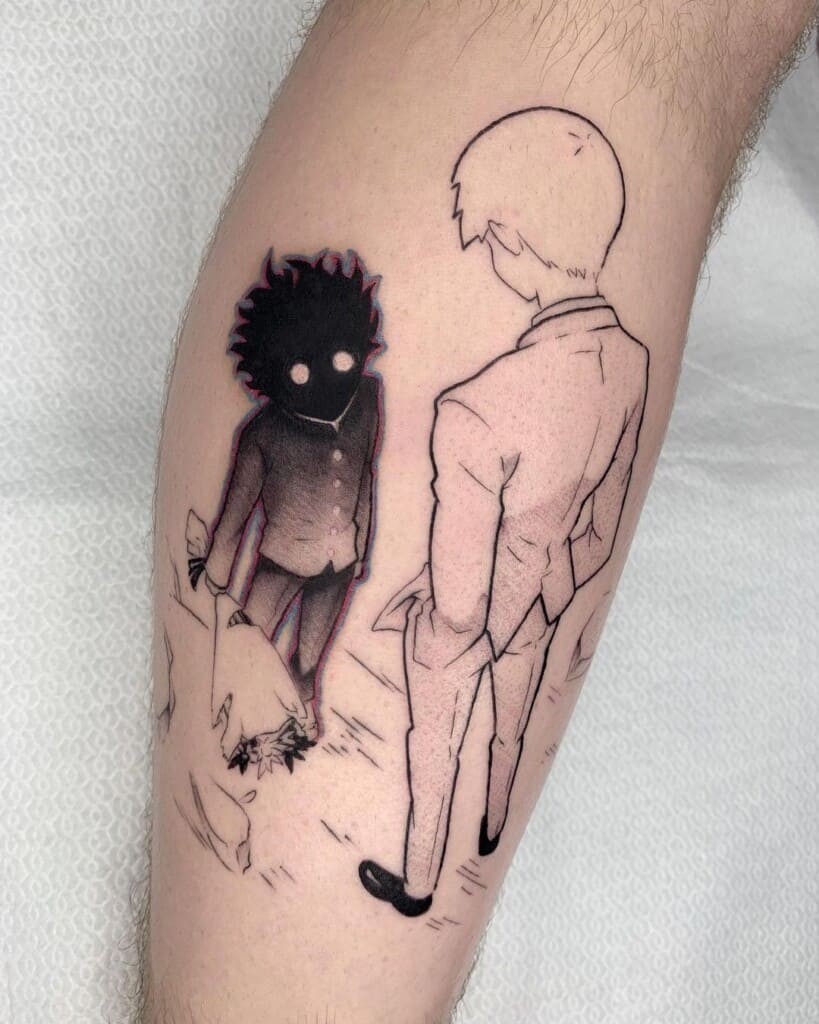

“The power to change yourself comes from within.” A tattoo inspired by anime, such as Mob Psycho 100, conveys themes of self-discovery and empowerment. These designs resonate deeply with fans, reflecting their journey through chaos and emotional upheaval, making it more than just body art — it becomes a narrative of personal evolution.
Personal Narratives

“Every tattoo tells a story.” This sentiment resonates with many who opt for psycho tattoos. They often depict individual narratives of bravery, trauma, or resilience. Such tattoos reflect an externalization of one’s internal battles and triumphs, showcasing a journey that is as unique as the person wearing it.
The Iconic Psycho House


“A house is made of walls and beams; a home is made of love and dreams.” The iconic Psycho house tattoo symbolizes fragmentation and isolation. It invites onlookers to delve into the psyche behind the design, portraying a visual metaphor for struggles with abandonment, fear, and rejection.
In conclusion, psycho tattoos encompass a spectrum of meanings, each one steeped in the narratives and experiences of the person adorned with them. They are not merely decorative but an expression of identity, encapsulating the beauty and agony of existence.