Oaxaca tattoos are a vibrant expression of culture and artistry, steeped in rich symbolism and historical significance. When one thinks of Oaxaca, they envision a kaleidoscope of colors, intricate designs, and profound meanings intertwined in each piece of art. Here we explore some ideas that encapsulate the spirit of this unique style and the stories they tell.
Traditional Symbols


Traditional Oaxaca tattoos often incorporate indigenous symbols that represent various aspects of life, nature, and spirituality. For example, the quetzal bird symbolizes freedom and beauty. As one tattoo enthusiast poignantly stated, “A quetzal tattoo is not just an image; it embodies the soul’s yearning for liberation.” Such designs connect the wearer with their roots, fostering a sense of identity.
Flora and Fauna


Oaxaca’s floral motifs are also popular among tattoo aficionados. The vibrant colors of marigolds and hibiscus capture the essence of life and vitality. A quote from a skilled tattoo artist reflects this: “Each flower I ink tells the story of growth and resilience.” Such designs signify beauty, the cycle of life, and the transient nature of existence.
Mythical Creatures


Incorporating mythical creatures into Oaxaca tattoos showcases the region’s rich folklore. The nahual, a shape-shifting creature, represents the duality of human nature. An insightful tattoo lover once remarked, “Getting a nahual tattoo is akin to embracing both light and shadow within oneself.” This aspect enriches the tattoo’s meaning, guiding the wearer toward self-discovery.
Geometric Patterns
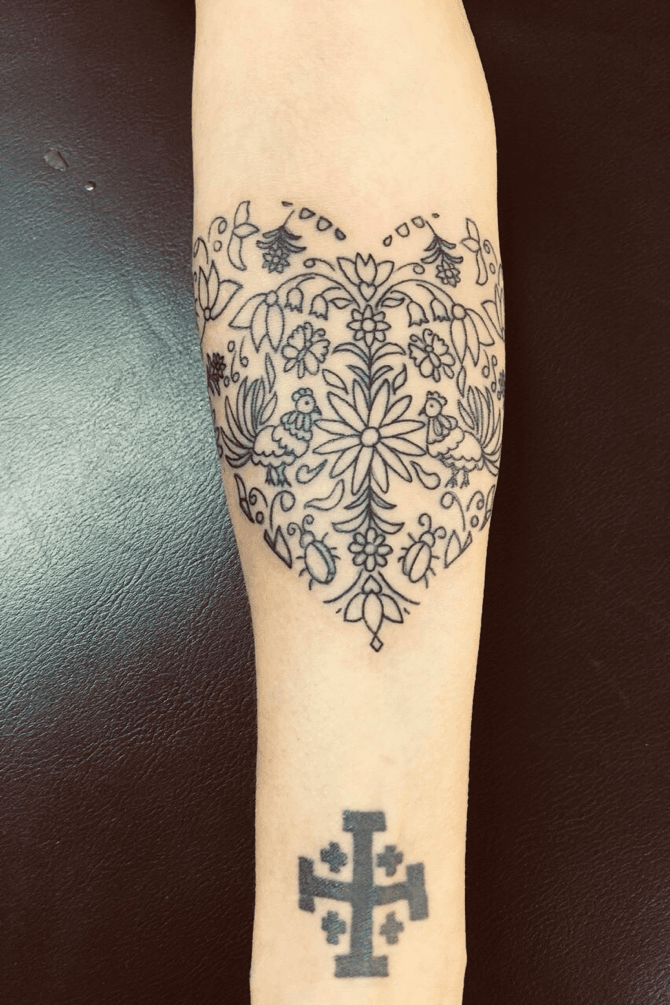

Geometric patterns feature prominently in contemporary interpretations of Oaxaca tattoos. They symbolize harmony and the balance between chaos and order. As expressed by one admirer, “Geometric designs resonate with my internal rhythms, signifying my journey through the complexities of life.” Thus, they offer a modern twist that remains respectful to traditional elements.
In summary, Oaxaca tattoos serve as a canvas for storytelling and self-expression. Each design, whether traditional or modern, encapsulates the wearer’s individuality while honoring the vibrant cultural heritage of the region. These tattoos are more than ink; they are meaningful symbols of a deep connection to identity, nature, and folklore.